
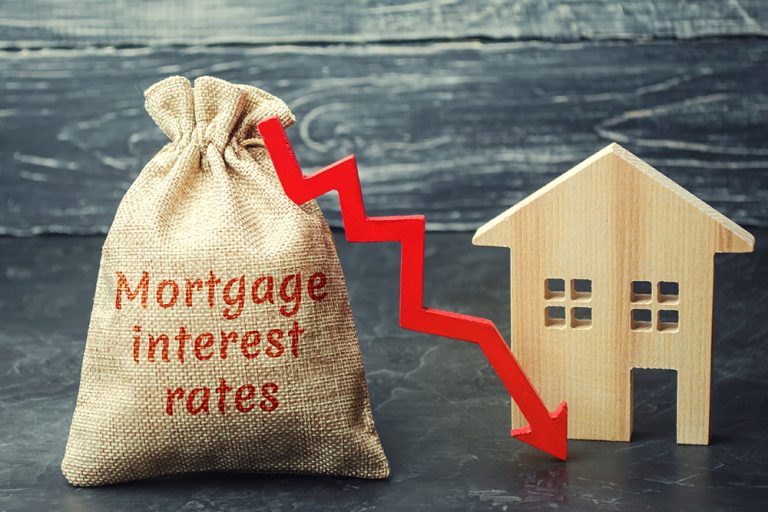
As a loan officer, I often hear a buzz of excitement from homebuyers whenever the Federal Reserve announces a cut in the Fed funds rate, like the 50 basis point cut we saw on September 18th. Many prospective buyers immediately assume that mortgage rates will fall as well, envisioning lower monthly payments and even better deals on home loans. But there’s a crucial distinction that often gets overlooked: the Fed funds rate is not the same as the mortgage interest rate.
While the Fed’s decision to lower rates can have an impact on financial markets, it’s important to understand that mortgage rates are influenced by several different factors. If you’re waiting for mortgage rates to magically drop by 0.5% just because the Fed made a move, you may be in for a surprise.
The Fed’s Influence Isn’t Everything
Let’s break it down. When the Federal Reserve cuts the Fed funds rate, it primarily affects short-term interest rates. These short-term rates are tied to products like credit cards, auto loans, and adjustable-rate mortgages (ARMs). The Fed’s rate decisions are designed to control inflation, stimulate the economy, or stabilize financial markets, but the direct link between Fed rate cuts and mortgage rates is not as straightforward as many people assume.
Mortgage rates, particularly those on 30-year fixed-rate loans, are influenced by other factors—some of which are completely out of the Fed’s control. For example, the overall health of the global economy, inflation trends, and the bond market are key players in determining mortgage rates. Investors look at mortgage-backed securities (MBS), and their appetite for these long-term bonds is influenced by broader economic conditions.
This means that mortgage rates can move up or down independently of Fed rate changes. Sometimes, the market may have already priced in the anticipated rate cut before the official announcement, leading to little to no impact on mortgage rates after the fact.
Why It’s Always the Right Time to Buy a Home
One of the most common questions I hear from prospective buyers is, “Should I wait for rates to drop further before buying?” While it’s natural to want to lock in the lowest rate possible, the reality is that there is no such thing as perfect timing in the housing market. Whether rates are going up, down, or remaining stable, buying a home comes with long-term benefits that outweigh short-term fluctuations in interest rates.
Here’s why:
- Appreciation: Homes generally appreciate over time, which means that even if you’re paying a slightly higher interest rate today, your property will likely be worth more down the road. This increased equity can be tapped into later for things like home improvements or future investments.
- Tax Benefits: Homeownership comes with some fantastic tax perks. You can deduct mortgage interest and property taxes, which reduces your taxable income. If you own a multifamily property, you could also benefit from additional write-offs on maintenance and depreciation.
- Increased Competition: Waiting for a lower rate could backfire if home prices increase due to heightened demand when rates drop. More buyers in the market can lead to bidding wars, ultimately driving up home prices, which means you could end up paying more in the long run.
In conclusion, while a Fed rate cut doesn’t always mean lower mortgage rates, it shouldn’t delay your decision to buy a home. Homeownership offers long-term benefits like property appreciation, tax savings, and equity building, which outweigh short-term rate changes.
If you’re interested in purchasing a home, give me a call to discuss the best mortgage options for you. The right time to buy is when you’re ready, not when you’re waiting for the perfect rate.